Sage Butler · 2 September 2026
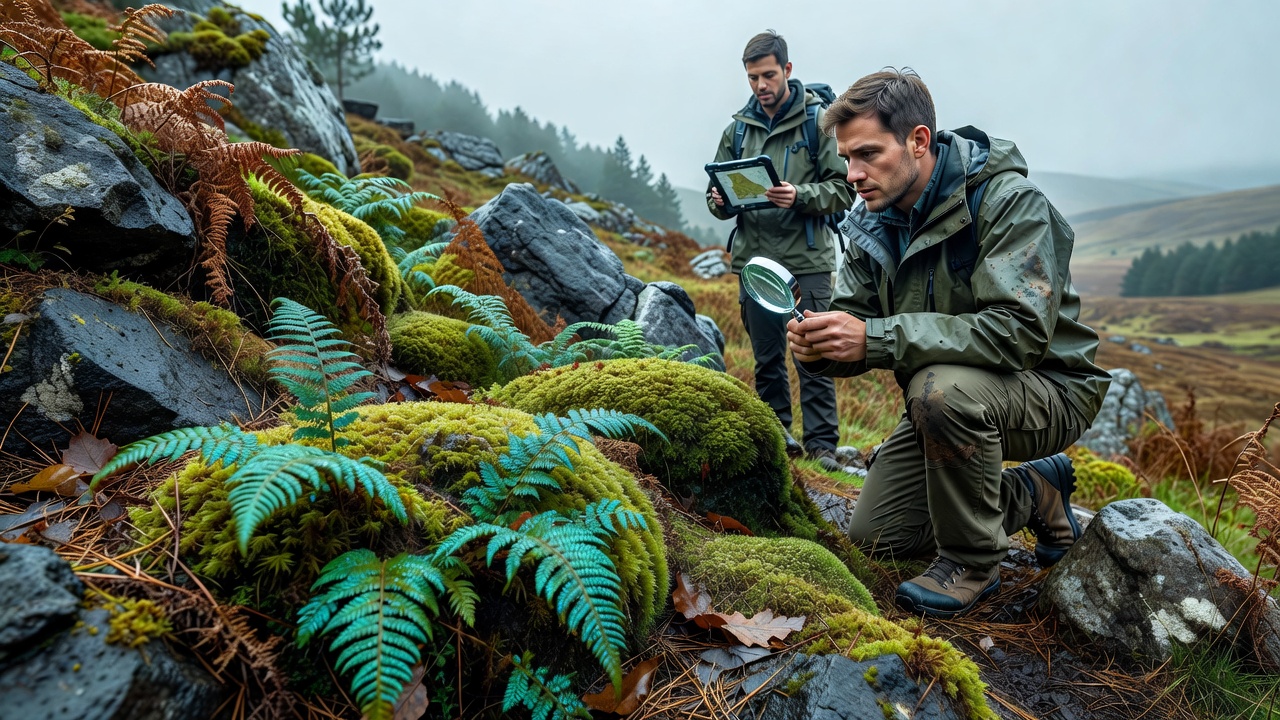
Ecologists surveying the northern slopes of Mosshaven have confirmed the presence of a previously undocumented moss species. The find underscores the region's rich ecological diversity and the importance of ongoing habitat monitoring. Field teams collected samples during routine biodiversity assessments last month, noting distinctive morphological traits that set the specimen apart from known local varieties.
Identification Process
Initial laboratory analysis involved microscopic examination of leaf structure, spore characteristics, and genetic sequencing. Researchers compared results against regional herbarium records and international databases, establishing that the moss does not match any documented taxa. Preliminary classification places it within the Bryaceae family, though further study is required to determine its precise phylogenetic position. The species appears adapted to shaded, moist microhabitats on north-facing rock faces where competition from vascular plants is minimal.
Survey data indicate the moss forms dense, velvety mats that retain moisture effectively, potentially supporting micro-invertebrate communities. No evidence of invasive spread has been observed, suggesting it is a native component of the slope ecosystem. Continued monitoring will track population size and response to seasonal climate variations.
Ecological Implications
The discovery reinforces the value of protecting Mosshaven's northern slopes from development and recreational overuse. Rare bryophytes often serve as indicators of environmental health, particularly regarding air quality and humidity levels. Conservation recommendations include restricting trail access near sensitive outcrops and expanding buffer zones around known colonies. Future research will examine symbiotic relationships with local fungi and the moss's role in soil stabilization on steep terrain. Officials emphasize that preserving such microhabitats contributes to broader regional biodiversity goals and supports educational outreach on non-vascular plant ecology.