Jordan Fischer · 2 September 2026
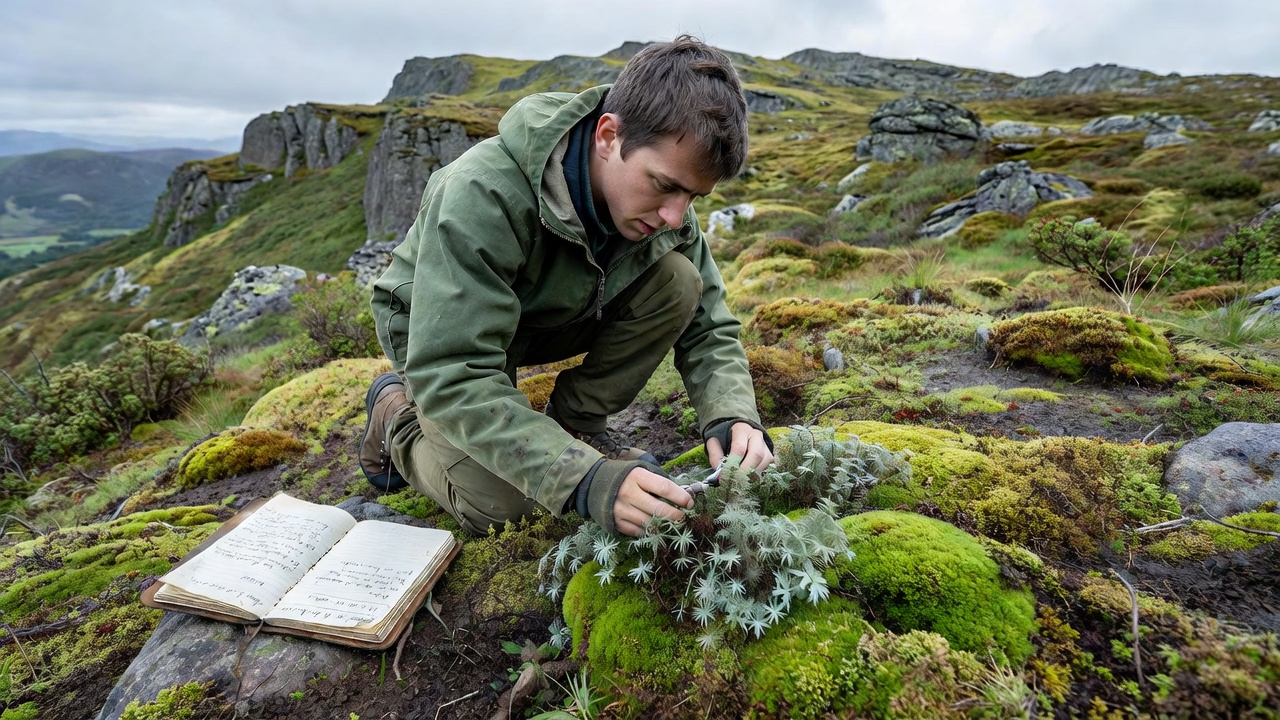
Botanists conducting a biodiversity assessment have confirmed the presence of a previously undocumented moss species on the northern slopes of Mosshaven. The find occurred during systematic sampling of shaded rock faces and moist soil patches at elevations between 450 and 620 meters. Researchers from the regional ecology institute collected specimens showing distinct morphological traits including narrow, lanceolate leaves and a unique reddish-brown seta not observed in local Bryopsida populations.
Taxonomic Analysis and Habitat Conditions
Initial microscopic examination and DNA barcoding place the moss within the genus Grimmia, though it differs from known regional taxa in leaf margin structure and spore ornamentation. The habitat consists of north-facing quartzite outcrops that retain consistent humidity from frequent fog and limited direct sunlight. Soil pH measurements averaged 5.8, with high organic content derived from decomposing lichen and leaf litter. Temperature data loggers recorded annual means of 8.4 °C and minimal frost penetration due to insulating snow cover. These conditions appear critical for the moss’s gametophyte development and sporophyte production, which peaks in late spring.
Conservation Implications and Future Monitoring
Population estimates suggest fewer than 800 individual cushions across a 3.2-hectare area, prompting preliminary discussions about site protection status. The species shows sensitivity to trampling and changes in canopy cover, both of which could alter microclimate humidity. Ongoing surveys will track recruitment rates and responses to projected climate shifts, including altered precipitation patterns. Local land managers have agreed to restrict access to the core discovery zone while further genetic studies determine whether the moss represents an endemic lineage or a disjunct population of a more widespread taxon. Continued documentation will contribute to updated regional red lists and inform habitat management protocols for similar high-elevation sites.