Sage Butler · 2 September 2026
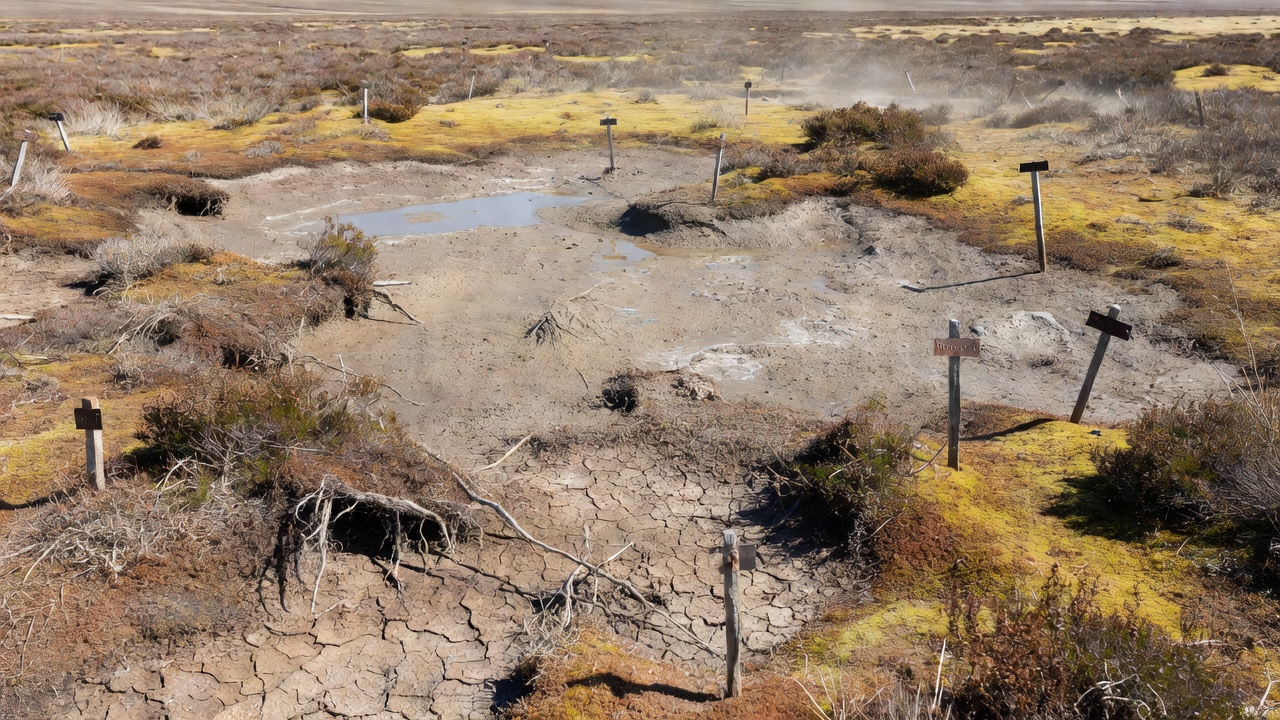
Recent measurements conducted by the Mosshaven Ecology research team have quantified the effects of prolonged drought on local moss beds during this quarter. The study focused on several key locations within the Moss Haven area, where environmental conditions have been monitored continuously since the beginning of the dry spell. Observations indicate that moss coverage has declined noticeably in open areas exposed to direct sunlight.
Measurement Methods Employed
Field researchers deployed an array of instruments including tensiometers for soil water potential and digital calipers for growth tracking. Samples were taken from 120 different moss patches representing diverse species such as Polytrichum and Sphagnum. Laboratory tests revealed that average biomass had decreased by 18 percent, with some patches showing up to 40 percent reduction. Temperature and humidity loggers provided contextual data, correlating higher daytime temperatures with accelerated moisture loss. Drone surveys complemented the ground efforts by mapping larger areas for changes in greenness indices.
Statistical analysis of the collected data points to a direct relationship between precipitation deficits and moss vitality. Comparisons with historical records from the past five years indicate that this quarter's conditions are among the driest on record for the region. Volunteers assisted in data collection, ensuring comprehensive coverage of both shaded and exposed bed areas. This multi-method approach ensures high accuracy in the reported drought impacts.
Implications for Local Ecology
These findings highlight potential shifts in the ecological balance of Moss Haven. Moss beds contribute to nutrient cycling and provide habitat for microfauna, and their compromised state may disrupt these processes. Erosion risks have increased in sloped areas where moss cover has thinned, potentially affecting downstream water quality. Additionally, mosses play a role in carbon sequestration, and reduced health could diminish this benefit.
Experts suggest that continued drought could lead to shifts in species composition, favoring more resilient varieties over time. Community education programs on water conservation are being proposed to support broader environmental health. Future studies will aim to model recovery trajectories based on various rainfall scenarios, aiding in proactive management of these sensitive ecosystems. Overall, the data emphasizes the need for adaptive strategies in response to changing climate patterns affecting moss habitats.